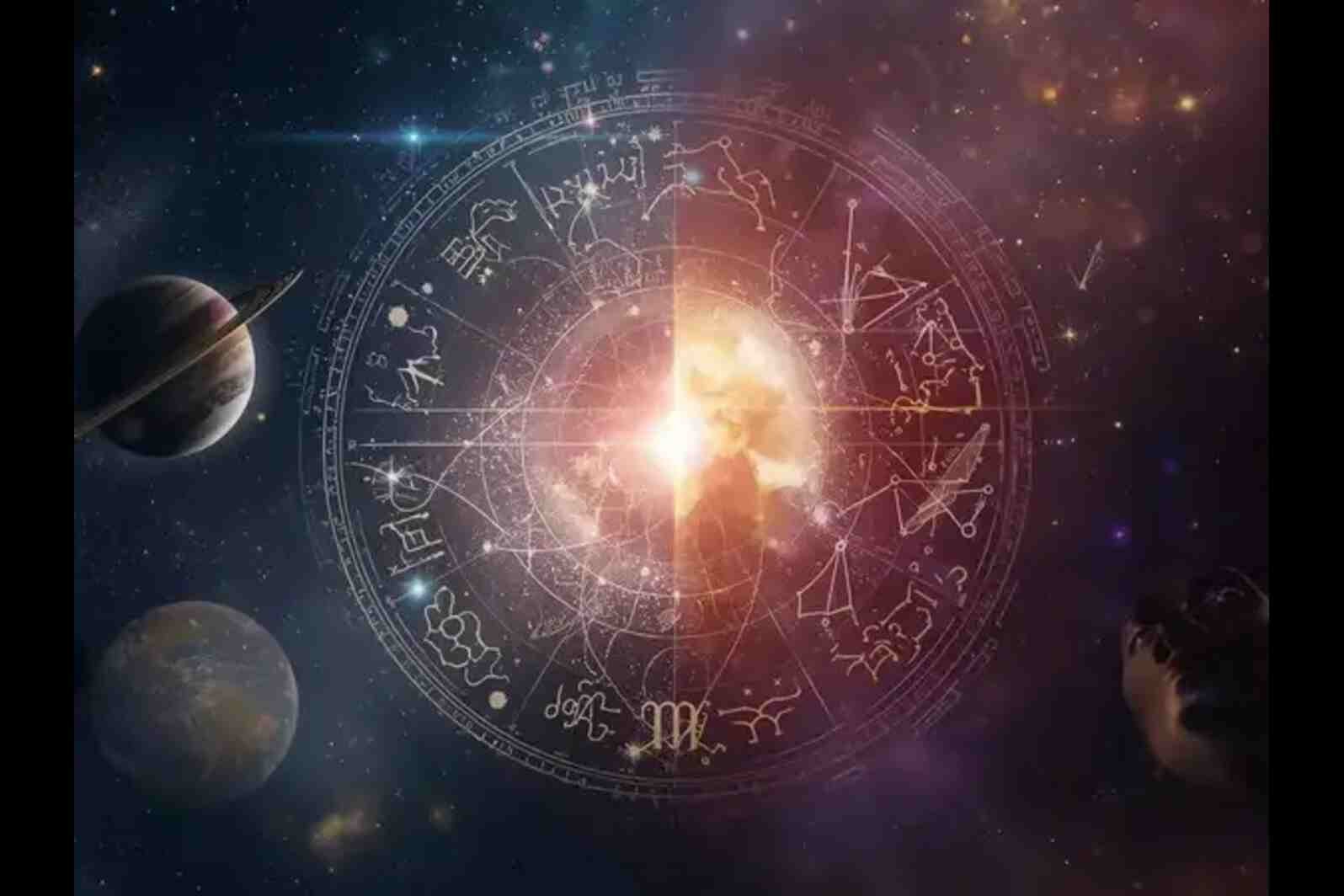
Have you ever wondered what the stars and planets looked like when you were born?
In astrology, this idea is very important. Astrologers use your birth details to create a special chart.
This is where the word Nativität comes from.
Nativität is a German word often used in astrology. It refers to the positions of the Sun, Moon, and planets at the time of a person’s birth.
The word comes from the Latin word nativitas, which means “birth.”
In this article, you’ll learn the meaning of Nativität, its history, its role in astrology, and how it connects to birth charts.
What Is Nativität?
Nativität is a German term used mainly in astrology.
It describes the positions of celestial bodies at the exact time someone is born.
Astrologers use this information to create a birth chart, also called a natal chart.
The chart shows where the Sun, Moon, and planets were located at the moment of birth.
Some people believe these positions can provide insights into personality and life experiences.
However, astrology is a belief system and is not supported by scientific evidence.
In many cases, Nativität can also refer to the birth chart itself.
Origin of the Word Nativität:
The word Nativität comes from the Latin word nativitas.
This word means:
- Birth
- Being born
- Origin
Over time, the term became part of the German language.
Today, it is mostly used in astrology and historical writings.
History of Nativität:
The idea behind Nativität is very old.
For thousands of years, people have watched the sky and studied the movement of stars and planets.
Ancient Times
Ancient Babylonians were among the first people to study planetary movements.
They believed events in the sky were connected to events on Earth.
Later, Greek scholars developed more detailed astrology systems.
These early ideas helped create the birth charts used today.
Medieval Period
During the Middle Ages, astrology became popular across Europe.
Astrologers created birth charts for:
- Kings
- Rulers
- Scholars
- Ordinary people
They used these charts to interpret personality traits and future events.
Modern Times
Today, astrology remains popular around the world.
Many people use online tools to create and explore their birth charts.
The meaning of Nativität is still connected to birth and planetary positions.
Nativität in Astrology:
Astrology is the main field where the term Nativität is used.
It focuses on the exact positions of celestial bodies at the time of birth.
Astrologers use these positions to create a natal chart.
What Is a Birth Chart?
A birth chart is a map of the sky at the moment you were born.
To create one, astrologers usually need:
- Date of birth
- Time of birth
- Place of birth
Using these details, they calculate the positions of the Sun, Moon, and planets.
Important Parts of a Birth Chart:
1. Sun Sign
The Sun sign is the most well-known part of astrology.
It is often linked to personality traits.
2. Moon Sign
The Moon sign is connected with emotions and feelings.
3. Rising Sign
The Rising Sign, also called the Ascendant, is the zodiac sign rising on the eastern horizon at birth.
4. Planets
Each planet has a different symbolic meaning in astrology.
Astrologers use these meanings when reading a chart.
5. Houses
A birth chart is divided into 12 houses.
Each house represents a different area of life.
These interpretations are based on astrological traditions and are not scientifically proven.
Why Is Birth Time Important?
Birth time is one of the most important details in astrology.
Even a small difference in time can change parts of the birth chart.
The Rising Sign depends on the exact birth time and location.
A more accurate birth time usually creates a more detailed chart.
If the birth time is unknown, some chart details may be less accurate.
Nativität vs Nativity:
These words have similar roots but different uses.
| Feature | Nativität | Nativity |
|---|---|---|
| Language | German | English |
| Meaning | Birth-related astrological term | Birth |
| Main Use | Astrology | Religious and Christmas traditions |
| Common Context | Birth charts | Birth of Jesus Christ |
In English, Nativity usually refers to the birth of Jesus.
In German astrology, Nativität refers to a birth chart and planetary positions at birth.
Nativität and Personal Identity:
Some people use birth charts to think about themselves and their lives.
They may explore:
- Personality traits
- Strengths
- Interests
- Life experiences
However, a person’s identity is shaped by many things, including:
- Family
- Education
- Culture
- Experiences
- Relationships
A birth chart cannot scientifically explain who a person is.
Is Nativität Scientifically Proven?
No.
Nativität is an astrological concept, not a scientific one.
There is no scientific evidence that planetary positions at birth can predict personality or future events.
Many people still enjoy astrology as a hobby, cultural tradition, or personal interest.
It is important to understand the difference between belief and science.
Why Is Nativität Still Popular Today?
Many people are interested in astrology.
Birth chart websites and astrology apps have made it easier than ever to explore natal charts.
People often look up their:
- Sun sign
- Moon sign
- Rising sign
- Planet positions
Because of this interest, the term Nativität continues to appear in astrology discussions and German-language content.
Frequently Asked Questions (FAQs)
What does Nativität mean?
Nativität is a German word used in astrology. It refers to the positions of celestial bodies at the time of birth.
Where does the word Nativität come from?
It comes from the Latin word nativitas, which means birth.
Is Nativität related to astrology?
Yes. It is mainly used in astrology and birth chart discussions.
What is a Nativität chart?
It is another name for a natal chart or birth chart that shows planetary positions at birth.
Why is birth time important in Nativität?
Birth time helps calculate important chart details, such as the Rising Sign and house positions.
Is Nativität the same as Nativity?
No. Nativität is mostly used in astrology, while Nativity is commonly connected to the birth of Jesus Christ.
Can Nativität predict the future?
Astrologers may use birth charts for predictions, but there is no scientific proof that they can predict future events.
Is Nativität still used today?
Yes. It is still used in astrology, especially in German-speaking communities.
Final Thoughts:
Nativität is a German word that comes from the Latin term nativitas, meaning birth.
Today, it is mainly used in astrology to describe the positions of the Sun, Moon, and planets at the time of birth.
The concept is closely connected to birth charts, zodiac signs, and traditional astrological practices.
Although astrology is not scientifically proven, many people enjoy learning about it and exploring their birth charts.
Understanding Nativität helps explain an important part of astrology and its long history.
Keep discovering new ideas and useful knowledge by visiting ourbetterclass.com.