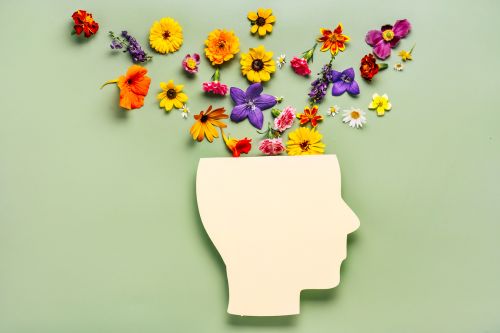
The word holistic is used in health, education, business, and personal development.
It means looking at the whole picture instead of focusing on just one part.
A holistic approach considers how different parts are connected and how they affect each other.
For example, good health is not only about treating illness. It also includes healthy eating, exercise, sleep, stress management, and emotional well-being.
Understanding the bigger picture can often lead to better decisions and long-term improvement.
In this article, you’ll learn the meaning of holistic, its types, benefits, and everyday examples.
What Does Holistic Mean?
Holistic means looking at something as a whole.
Instead of focusing on one issue, it considers all the factors involved.
The word comes from the Greek word holos, which means “whole.”
Example
Imagine someone feels tired all the time.
A basic approach may focus only on tiredness.
A holistic approach may also look at:
- Sleep quality
- Diet
- Stress levels
- Exercise habits
- Overall health
This helps create a better understanding of the problem.
In simple words, holistic means seeing the complete picture.
Main Principles of a Holistic Approach:
1. Looking at the Whole Picture
A holistic approach examines all important parts of a situation.
It avoids focusing on only one problem.
2. Understanding Connections
Different areas of life affect each other.
For example, poor sleep can affect mood, energy, and concentration.
3. Creating Balance
Balance is an important part of holistic thinking.
It encourages people to pay attention to:
- Health
- Work
- Family
- Relationships
- Personal interests
4. Respecting Individual Needs
Every person is different.
Their needs, goals, and lifestyles may also be different.
A holistic approach takes these differences into account.
5. Thinking Long-Term
Rather than looking for quick fixes, holistic thinking focuses on lasting improvement.
Types of Holistic Approaches:
1. Holistic Health
Holistic health focuses on overall well-being.
It considers:
- Physical health
- Mental health
- Emotional health
- Social well-being
Healthy habits may include:
- Eating balanced meals
- Exercising regularly
- Getting enough sleep
- Managing stress
- Building healthy relationships
2. Holistic Medicine
Holistic medicine looks at the whole person rather than only symptoms.
Healthcare professionals may consider:
- Physical health
- Lifestyle habits
- Emotional well-being
- Personal circumstances
However, not all treatments described as holistic are scientifically proven. Always seek advice from a qualified healthcare professional.
3. Holistic Education
Holistic education supports overall student development.
It focuses on more than academic performance.
It may include:
- Emotional growth
- Creativity
- Communication skills
- Social skills
- Physical activity
- Problem-solving abilities
The goal is to help students succeed in different areas of life.
4. Holistic Business Approach
A holistic business approach looks at the entire organisation.
It considers:
- Employees
- Customers
- Products
- Company goals
- Finances
This helps businesses understand how different areas affect one another.
5. Holistic Lifestyle
A holistic lifestyle focuses on creating balance in everyday life.
It encourages people to take care of:
- Physical health
- Mental well-being
- Relationships
- Personal growth
Small daily habits can make a big difference over time.
Benefits of a Holistic Approach:
Better Understanding
Looking at the whole picture can help people identify the real cause of a problem.
Better Decision-Making
Considering different factors often leads to smarter decisions.
Personal Growth
Holistic thinking encourages improvement in multiple areas of life.
Better Planning
A wider view can help people and businesses plan more effectively.
Long-Term Results
Instead of temporary solutions, holistic thinking focuses on lasting progress.
Holistic vs Traditional Approach:
| Feature | Holistic Approach | Traditional Approach |
|---|---|---|
| Focus | Whole picture | Specific issue |
| Method | Considers many factors | Focuses on one area |
| Goal | Overall improvement | Solving a particular problem |
| View | Looks at connections | Looks at individual parts |
Both approaches can be useful.
The best choice depends on the situation.
How to Follow a Holistic Lifestyle:
You don’t need to make major changes to start living more holistically.
Small steps can have a positive impact.
1. Eat Healthy Foods
Try to include:
- Fruits
- Vegetables
- Whole grains
- Lean proteins
2. Stay Active
Choose activities you enjoy, such as:
- Walking
- Cycling
- Swimming
- Yoga
3. Take Care of Your Mental Health
Make time for relaxation and stress management.
You can:
- Read books
- Listen to music
- Spend time in nature
- Practise mindfulness
4. Get Enough Sleep
Good sleep supports both physical and mental well-being.
5. Build Healthy Relationships
Spend time with supportive family members and friends.
6. Make Time for Yourself
Enjoy hobbies and activities that bring you happiness.
7. Maintain Work-Life Balance
Create time for work, family, rest, and personal interests.
Real-Life Examples of Holistic Thinking:
Health
Looking at sleep, diet, exercise, and stress instead of treating only one symptom.
Education
Helping students build confidence, creativity, and social skills along with academic knowledge.
Business
Considering employees, customers, and company goals before making important decisions.
Environment
Understanding how people, animals, plants, water, and air are connected.
Personal Growth
Improving habits, communication skills, confidence, and emotional well-being together.
Common Misunderstandings About Holistic:
Holistic Does Not Mean Alternative Medicine
Holistic is a broad approach. It is not limited to natural or alternative treatments.
Holistic Does Not Ignore Modern Medicine
A holistic approach can include doctor-recommended treatments and medical care.
Holistic Does Not Mean Changing Everything at Once
Small and consistent improvements often work better than drastic changes.
Holistic Does Not Guarantee Success
Looking at the whole picture can be helpful, but outcomes still depend on many factors.
Frequently Asked Questions (FAQs):
What does holistic mean in simple words?
Holistic means looking at the whole situation instead of focusing on only one part.
Why is a holistic approach important?
It helps people understand how different factors are connected and influence each other.
What is holistic health?
Holistic health focuses on physical, mental, emotional, and social well-being.
Is holistic medicine the same as alternative medicine?
No. Holistic medicine looks at the whole person and may include both conventional and complementary treatments.
What is a holistic lifestyle?
A holistic lifestyle focuses on healthy habits, mental well-being, good relationships, and personal growth.
Can holistic thinking help in daily life?
Yes. It can improve decision-making, planning, balance, and overall well-being.
Is holistic health scientifically supported?
Many parts of holistic health, such as healthy eating, exercise, quality sleep, and stress management, are supported by scientific research. However, not all holistic treatments have strong scientific evidence.
Is a holistic approach useful in business?
Yes. It helps businesses consider all important factors before making decisions.
Final Thoughts:
Holistic means looking at the whole picture rather than focusing on only one part.
It helps people understand how different areas of life are connected.
Whether applied to health, education, business, or personal growth, a holistic approach encourages balance, awareness, and long-term improvement.
Visit ourbetterclass.com for more articles on health, wellness, self-care, personal development, and living a balanced life.