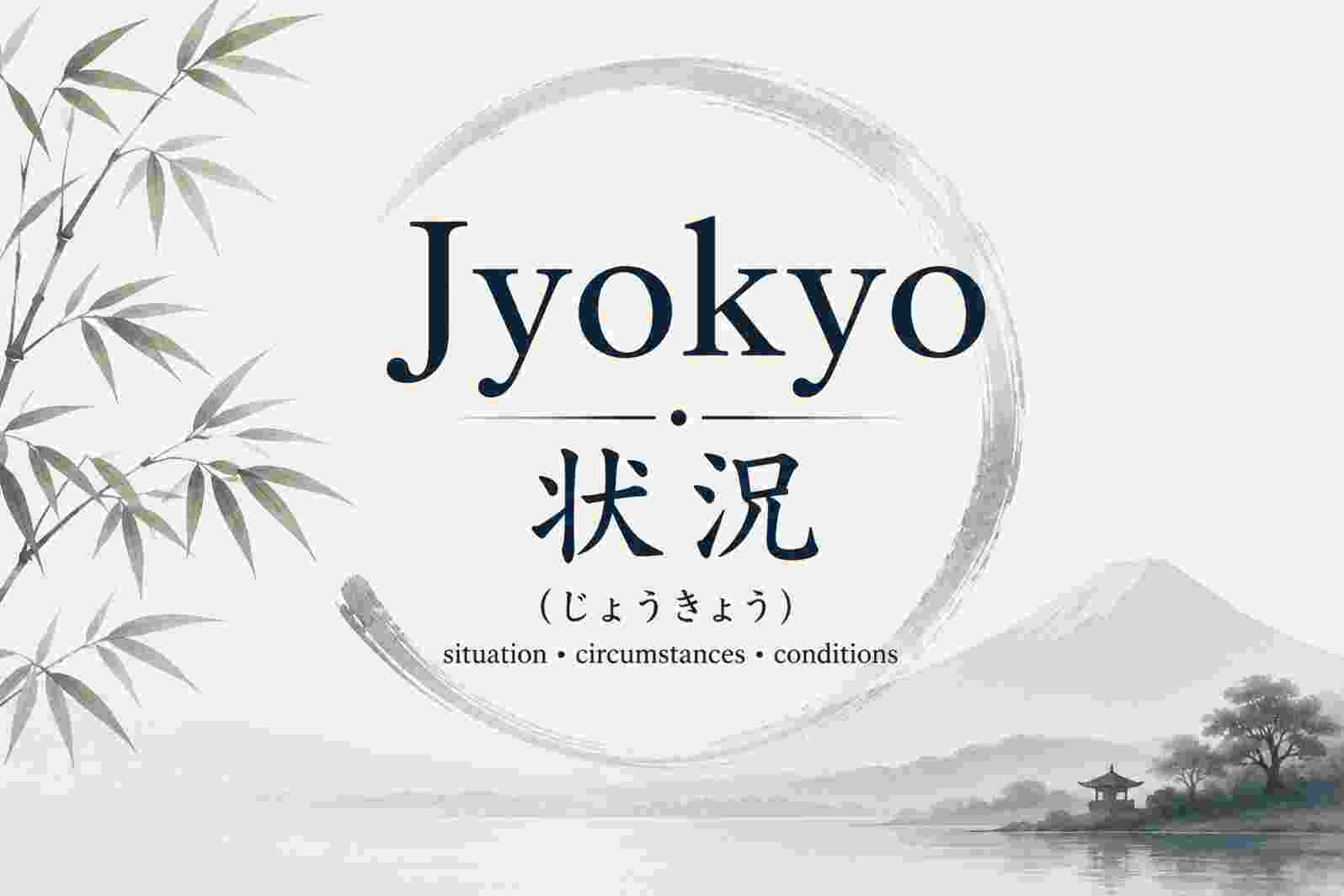
Jyokyo is a useful Japanese word that means “current situation” or “present condition”.
In simple English, it means understanding what is really happening around you right now before you speak or act.
This easy-to-read article explains everything about Jyokyo. You will learn its meaning, why it is important, how to use it in daily life, and how it can help you make better decisions. Perfect for students, professionals, and anyone who wants to live more mindfully.
What Does Jyokyo Mean?
Jyokyo is a Japanese word.
- Jyo = situation or state
- Kyo = condition or present moment
Together, Jyokyo means “the current situation” or “what is happening right now”.
In daily Japanese life, people say “Jyokyo wo miru” which means “understand the situation first”.
It is not just about seeing facts. It also includes understanding people’s feelings, the environment, and the right time to act.
Why Jyokyo Is Important in Japanese Culture:
Japanese culture teaches people to be aware of their surroundings. This idea comes from:
- Zen Buddhism (being present in the moment)
- Harmony (Wa) – living peacefully with others
- Respect for other’s feelings
In Japan, jumping to conclusions without understanding Jyokyo is considered rude. People prefer to observe quietly first.
How to Practice Jyokyo in Daily Life:
Here are simple ways to use Jyokyo:
- Before Speaking: Stop and ask yourself: “What is the current situation? Is this the right time to speak?”
- In Meetings or Class: Listen carefully and understand the mood of the group before giving your opinion.
- When Solving Problems: First understand the full situation instead of giving quick advice.
- In Relationships: Notice if your friend is happy, tired, or stressed before talking about serious topics.
- While Traveling: Observe local customs and people’s behavior before acting.
Benefits of Understanding Jyokyo:
- Better decision making
- Fewer misunderstandings
- Stronger relationships
- Less stress and conflict
- More respect from others
- Improved emotional intelligence
Many successful Japanese business leaders and teachers use Jyokyo every day.
Jyokyo in the Workplace:
In Japanese companies, Jyokyo is very important. Employees are expected to:
- Observe the team’s mood
- Understand unspoken rules
- Know when to speak and when to stay silent
- Adapt quickly to changes
This skill helps in promotions and building trust with colleagues.
Jyokyo for Students and Young People:
Students can use Jyokyo to:
- Understand teachers’ expectations
- Make better group projects
- Handle conflicts with friends
- Manage time during exams
It is a life skill that helps in studies and future career.
Jyokyo and Mindfulness:
Jyokyo is closely connected to mindfulness. Both teach us to:
- Live in the present moment
- Observe without quick judgment
- Stay calm in difficult situations
Many people combine Jyokyo with meditation or breathing exercises for better results.
Real Life Examples of Jyokyo:
Example 1: You see your friend looking sad. Instead of immediately asking “What happened?”, you first understand the Jyokyo (situation) and give them space.
Example 2: In a meeting, everyone is quiet. A person with good Jyokyo understands that people may be tired, so they suggest a short break.
Example 3: When visiting someone’s home, you observe the Jyokyo – whether they are busy or relaxed – before starting a long conversation.
How to Improve Your Jyokyo Skills:
Here are easy daily practices:
- Spend 5 minutes observing people around you without speaking
- Ask yourself “What is the current situation?” before important decisions
- Practice active listening
- Learn to read body language
- Keep a small journal about situations you observed
Jyokyo in Modern Times:
In today’s fast world of social media and quick replies, Jyokyo is becoming more important than ever. People who understand the real situation make better choices and build stronger connections.
Many life coaches and business trainers now teach Jyokyo as a key soft skill.
Common Questions About Jyokyo:
Q1. Is Jyokyo only for Japanese people? No. Anyone from any country can practice it and benefit.
Q2. How is Jyokyo different from just “being aware”? Jyokyo includes understanding context, timing, and feelings of others.
Q3. Can children learn Jyokyo? Yes! It is a great skill to teach kids for better social development.
Final Thoughts:
Jyokyo is a simple but powerful idea. It teaches us to pause, observe, and understand the current situation before acting. In our busy lives, this small practice can bring more peace, better relationships, and smarter decisions.
Start practicing Jyokyo today. Observe more, react less, and see how your life improves.
Whether you are a student, parent, employee, or leader — understanding Jyokyo can help you become a wiser and more respected person.