Žižole is a local name for the jujube fruit.
The fruit comes from the jujube tree, known scientifically as Ziziphus jujuba. It is a small fruit with a sweet taste.
The word may look unusual if you have never seen it before. But it simply refers to a traditional fruit with a long history.
What Are Žižole?
Žižole are the fruits of the jujube tree.
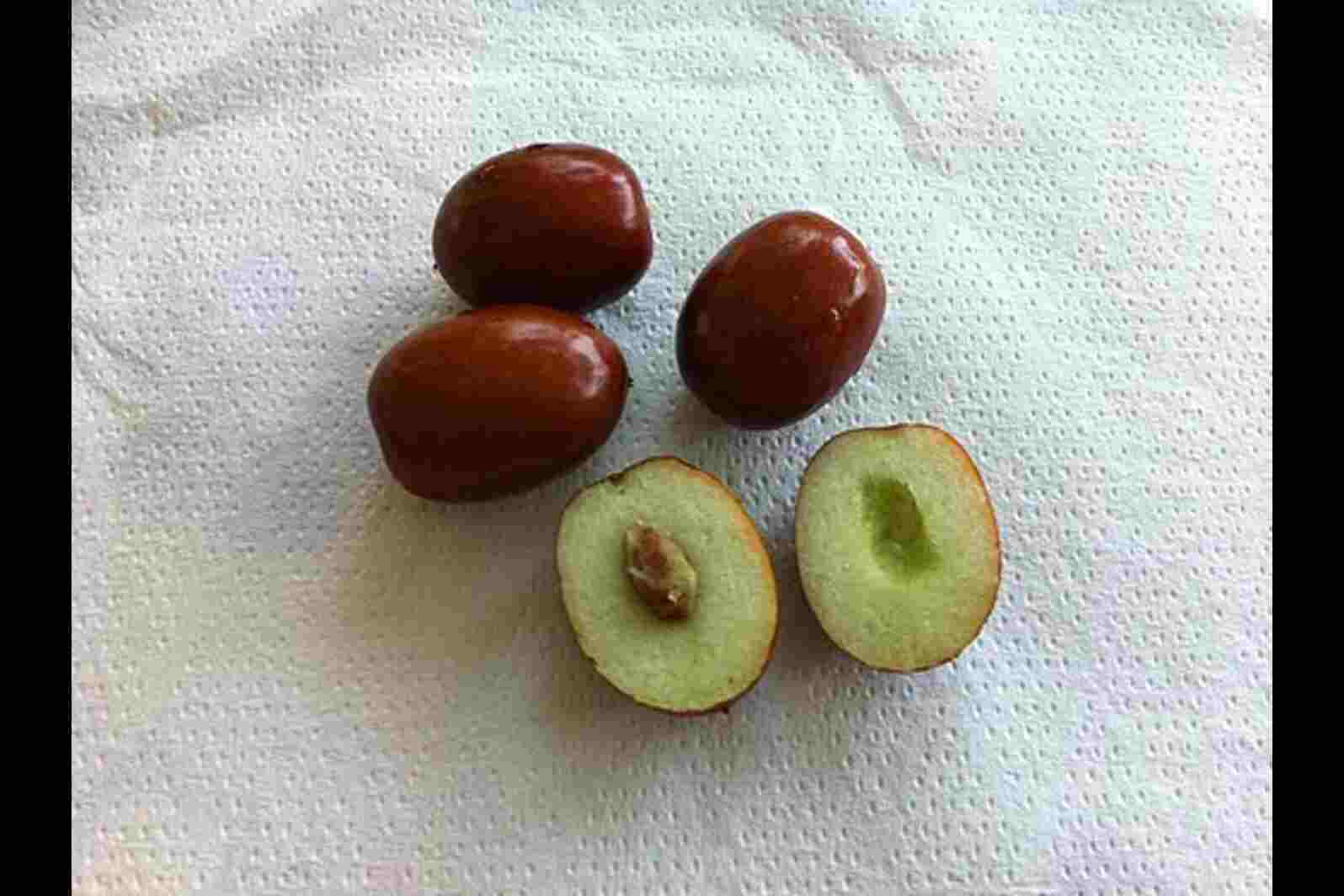
The fruit is usually small and oval. Its skin changes from green to yellow and then reddish-brown as it becomes ripe.
The fruit can look a little like a small date or olive.
When fully ripe, the fruit becomes softer. Its taste is sweet and is often compared to dates.
The fruit contains a single hard seed in the center.
What Does Žižole Mean?
The word Žižole is used in the Slovenian and Croatian regions as a local name for jujube.
In Slovenian, žižola is the accepted botanical term. The word žižula is also used in everyday language.
In Croatia, žižula is another common name for the same fruit.
So, when you see the word Žižole, it is generally connected with the jujube fruit and its local food culture.
Where Do Žižole Grow?
Jujube trees are found in warm regions.
In Slovenia, they grow mainly along the coastal area and in Slovenian Istria. In Croatia, the fruit is found in areas such as Istria, the Kvarner islands, and parts of Dalmatia.
The tree can handle dry conditions quite well. This makes it suitable for Mediterranean climates.
Research on jujube in Croatia also notes its good ability to tolerate drought and its suitability for Mediterranean conditions.
What Does Žižole Taste Like?
The taste depends on how ripe the fruit is.
Fresh green or partly ripe fruit can have a mild sweet and sour taste.
As it ripens, it becomes sweeter and softer.
A fully ripe jujube is often compared to a date because of its sweet taste and texture.
This is why the fruit is sometimes called the Chinese date.
How Are Žižole Used?
Žižole can be eaten in different ways.
Fresh Fruit
Fresh jujube can be eaten directly after washing.
The fruit is small and easy to carry. It can be enjoyed as a simple seasonal snack.
Dried Fruit
Jujube can also be dried.
Drying makes the fruit sweeter and gives it a texture similar to other dried fruits.
Desserts
The fruit can be used in sweets and other food products.
In Croatia, fresh jujube fruit is also used to prepare desserts.
Traditional Uses
Dried jujube has also been used in traditional medicine in different cultures.
However, traditional use should not be treated as proof that the fruit can cure a medical condition.
Žižole and Local Culture:
Žižole are more than just a fruit in some parts of the Adriatic region.
The tree has become part of local gardens and traditional food culture.
In Istria and nearby areas, old jujube trees can still be found around homes and gardens. Research has documented the long presence of jujube trees in the Croatian and Slovenian parts of Istria.
This gives the fruit a connection with local farming and everyday life.
Are Žižole Healthy?
Jujube is a nutritious fruit.
Research has found that jujube fruit contains vitamin C and other nutrients. It also contains minerals and plant compounds.
However, the health value can depend on the variety, growing conditions, and whether the fruit is fresh or dried.
It is best to think of Žižole as a nutritious fruit rather than a miracle food.
Žižole vs. Dates
Žižole and dates can look and taste somewhat similar when ripe or dried.
But they are different fruits.
| Feature | Žižole | Dates |
|---|---|---|
| Fruit | Jujube | Date |
| Tree | Jujube tree | Date palm |
| Scientific name | Ziziphus jujuba | Phoenix dactylifera |
| Taste | Sweet, sometimes slightly sour | Usually very sweet |
| Origin | East Asia | Middle East and North Africa |
| Common comparison | Often called Chinese date | Traditional date fruit |
The similar taste is one reason jujube is sometimes described as a Chinese date.
Why Is Žižole Important?
Žižole are interesting because they connect food, nature, and local culture.
The fruit has been grown in parts of the Adriatic region for generations.
It is also a hardy fruit tree. It can grow in warm and relatively dry conditions.
Today, researchers continue to study local jujube varieties and their nutritional and agricultural value.
Final Thoughts:
Žižole is a local name linked to the jujube fruit.
It is a small fruit with a sweet taste and a long history. It is found in parts of Croatia and Slovenia, especially in coastal and Istrian areas.
For many people, Žižole are not just an unusual fruit. They are also part of the local food and farming tradition.
If you come across the word Žižole, remember that it mainly refers to the jujube fruit and its connection with Mediterranean and Adriatic culture.
For informational content like this, visit ourbetterclass.com.