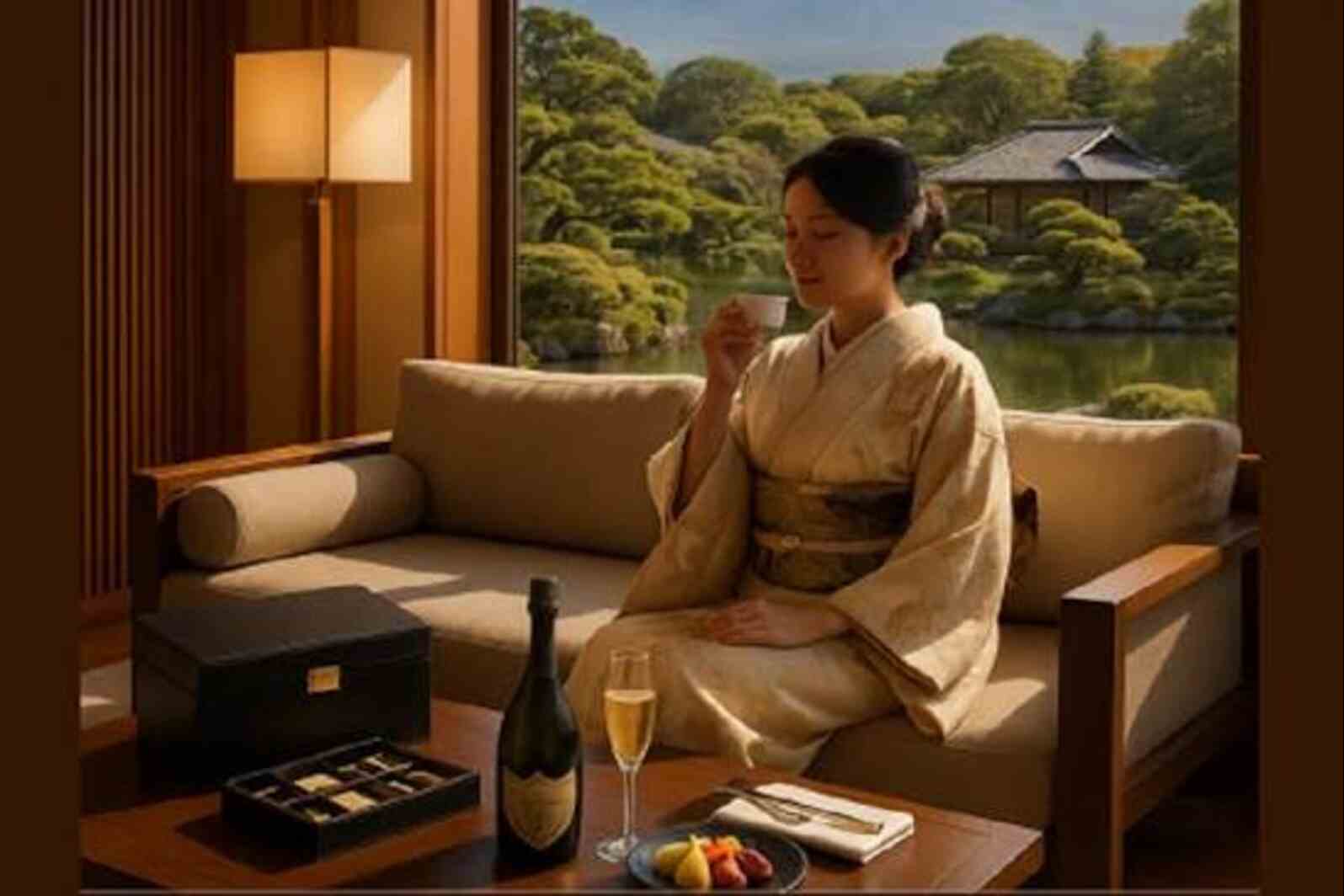
The modern corporate travel landscape has undergone a massive transformation in recent years. The days of grueling back-to-back overseas flights with zero recovery time are rapidly fading. In their place, a new standard of executive travel has emerged, one that heavily prioritizes physical recovery and mental well-being alongside business objectives. By 2025, the global bleisure travel market will reach an estimated 816 billion dollars, signaling a permanent shift in how professionals approach international work commitments. According to recent industry reports, 22 percent of business travelers stated they would outright decline a corporate trip if they were not permitted to extend their itinerary for personal leisure and wellness. This trend is particularly evident in high-activity business hubs across Asia, where executives are consciously integrating luxury wellness routines into their schedules to maintain peak cognitive performance.
The Rise of the Bleisure Itinerary
Corporate travel policies are increasingly adopting proactive frameworks that recognize the strict necessity of traveler wellness. A recent report revealed that approximately 76 percent of employees regularly extended their international work trips for leisure time in 2025, representing a steep increase from previous years. Business travelers are no longer willing to accept physical exhaustion as a standard cost of doing business. When planning these blended trips, many professionals rely on authoritative resources for choosing premium accommodations to guarantee their chosen hotel provides a restful environment.
For executive travel managers, this shift means moving away from rapid turnaround schedules and placing a higher value on localized wellness therapies. For example, scheduling a dedicated Osaka spa massage during a Japanese business trip is now widely considered a vital strategy for mitigating the mental fatigue and travel anxiety frequently associated with international corporate expansion.
Combatting Jet Lag with Physical Recovery
The physical toll of long-haul flights to destinations like Japan cannot be solved by simply adjusting sleep schedules in the air. Modern executives are actively utilizing specialized physical therapies to consciously counteract travel stress. Rather than relying on caffeine to power through high-stakes overseas meetings, professionals are turning to regenerative wellness treatments to effectively reset their biological clocks.
There is compelling clinical data supporting this modern shift toward physical intervention. A comprehensive study published by the National Library of Medicine found that targeted massage therapy can significantly decrease cortisol levels by an average of 31 percent while simultaneously boosting activating neurotransmitters like serotonin and dopamine by roughly 30 percent. This scientific evidence proves that professional physical therapy is not just a leisure activity. It is a calculated physiological strategy to lower stress hormones, speed up jet lag recovery, and dramatically improve mental alertness before critical business negotiations.
Osaka as a Premier Corporate Wellness Hub
Japan has seamlessly positioned itself at the forefront of this corporate wellness revolution. The country boasts a wellness economy valued at over 303 billion dollars, expertly combining modern corporate infrastructure with centuries of traditional healing expertise. As Japan’s second-largest corporate travel and startup hub, Osaka is capturing a massive share of inbound business travel spending, especially as the city prepares for major international events like Expo 2025. The Global Wellness Institute recently partnered with Japanese government leaders to launch a nationwide wellness tourism initiative, explicitly highlighting the country’s unique blend of corporate resources and traditional recovery therapies.
Foreign executives arriving in this bustling economic center are actively seeking out high-end hospitality services that cater directly to their recovery needs. Finding premium wellness facilities has become a top priority for corporate visitors looking to unwind after intense boardroom sessions. These upscale retreats offer the exact type of physical therapies required to reduce muscle tension and restore cognitive clarity, making them indispensable for anyone doing business in the region.
Essential Wellness Amenities for Traveling Professionals
As the intersection of corporate travel and luxury wellness continues to grow, high-value international executives are holding hotels to stricter standards. Modern business travelers typically look for a specific set of regenerative amenities when booking their stays in Japan.
- Targeted Stress-Relief Therapies: Executives require access to deep tissue and recovery treatments designed specifically to alleviate the physical stiffness associated with long-haul aviation.
- Traditional Hot Spring Immersion: Many professionals seek out properties that offer authentic Japanese bathing experiences, which are renowned for improving circulation and promoting deep sleep.
- Comprehensive Fitness Centers: Access to state-of-the-art gym equipment allows travelers to maintain their daily workout regimens, which is crucial for regulating energy levels across different time zones.
- Nutritional Support: High-end wellness hotels increasingly provide tailored dining options that focus on nutrient-dense, locally sourced ingredients to actively combat travel fatigue.
The demand for these specialized amenities highlights a broader realization within the corporate world. When professionals are given the time and resources to properly recover, their productivity and decision-making capabilities improve significantly. By prioritizing luxury wellness during their Japanese business trips, modern executives are ensuring they remain sharp, focused, and ready to succeed on the global stage.